

Library Article
SEBy Stacy Estaca
Editorial Assistant · Sep 20, 2026 · 2 min readFor years, neighborhood libraries seemed destined to become relics of another era. As smartphones and digital subscriptions transformed how people consumed information, fewer residents appeared willing to spend an afternoon browsing shelves or sitting quietly with a book. Yet in many communities, small libraries are finding new relevance by becoming more than places to borrow books.
Some libraries have begun hosting workshops, local history talks, writing groups, and community meetings. Others have introduced shared workspaces where students and remote workers can study without the distractions of home. These changes have attracted visitors who might not otherwise consider themselves regular library users.
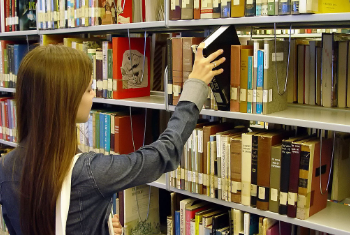
The shift has also changed the role of librarians. Instead of simply helping visitors locate books, librarians increasingly act as guides to a much wider collection of resources. They help students navigate research databases, teach basic digital skills, and organize community programs. In smaller towns, they can even become an important source of information about local events and public services.
Despite these changes, books remain at the center of the library experience. The difference is that they now exist alongside computers, workshops, discussion groups, and other community resources. Rather than competing with the digital world, modern libraries are gradually learning how to complement it.
The result is a quieter kind of transformation. Libraries may no longer be defined solely by rows of shelves, but their underlying purpose remains familiar: providing people with access to knowledge, a place to think, and a space where the wider community can come together.

Campus Wi-Fi upgrade finally reaches the library's basement floor
By Stacy Estaca · Sep 20, 2026 · 1 min read
Our Apolitical Queen
By Stacy Estaca · Sep 20, 2026 · 1 min read